Breaking
Latest health news from South Africa and around the world•Wellness, nutrition, and fitness updates daily•Medical breakthroughs and healthcare updates•Science-backed health explainers and guides•Health tech, reviews, and upcoming events•
 Health Team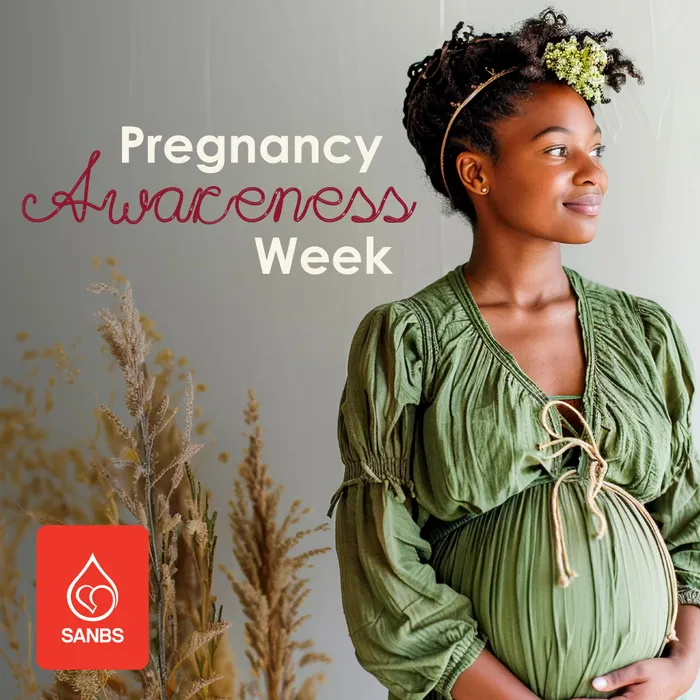
Blood donation plays a critical role in protecting maternal health during pregnancy and childbirth, helping prevent life-threatening complications and save the lives of mothers and babies in South Africa.
Pregnancy is often seen as a time of joy, anticipation and new beginnings. However, behind every healthy pregnancy and safe birth is a healthcare system working to protect both mother and baby. One of the most critical and often overlooked parts of this system is access to safe and sufficient blood for maternal health care.
Pregnancy and childbirth place significant physical demands on a woman’s body. Complications such as severe bleeding (haemorrhage), pregnancy-related anaemia, ectopic pregnancy, placental complications and emergency caesarean sections can occur without warning. In many of these situations, blood transfusions are not just helpful; they are lifesaving.
Maternal health remains a serious public health issue in South Africa. Obstetric haemorrhage continues to be one of the leading causes of maternal mortality. When excessive bleeding occurs during pregnancy or childbirth, access to blood at the right time can mean the difference between life and death.
Despite its importance, blood is not always readily available when it is needed most. A safe pregnancy depends not only on routine medical care but also on preparedness for emergencies. Doctors and nurses rely on a stable blood supply to act quickly and decisively during high-risk deliveries, childbirth complications and post-partum emergencies. Without access to blood, even the best medical care can be severely limited.
In South Africa, maintaining adequate blood supplies remains essential for protecting maternal and newborn health. The South African National Blood Service has indicated that blood stock levels can come under pressure at certain times, with some blood groups reaching critically low levels. These shortages place expectant mothers and newborns at increased risk during obstetric emergencies.
Blood is a silent but powerful lifeline for mothers and babies. One blood donation can save up to three lives, and during pregnancy or childbirth, it can mean the difference between life and death.
When blood stocks are stable, healthcare teams are better equipped to provide timely, effective care, improving outcomes for both mothers and babies.
Most healthy adults between the ages of 16 and 75 are eligible to donate blood, provided they meet the criteria set by SANBS. The donation process is safe, takes approximately 30 minutes, and has the potential to save multiple lives. Blood donors play a vital role in strengthening the healthcare system and ensuring that life-saving care is available when emergencies arise.
Maternal health is not only the responsibility of healthcare workers or expectant mothers, but also a collective effort. By donating blood, individuals contribute directly to safer pregnancies, stronger health systems, and healthier families across the country.
Ensuring that blood is available when it is needed most is one of the simplest yet most powerful ways to protect life. When blood is available, care is possible, and when care is feasible, lives are saved.
Source: SA Tech News