Breaking
Latest health news from South Africa and around the world•Wellness, nutrition, and fitness updates daily•Medical breakthroughs and healthcare updates•Science-backed health explainers and guides•Health tech, reviews, and upcoming events•
 Health Team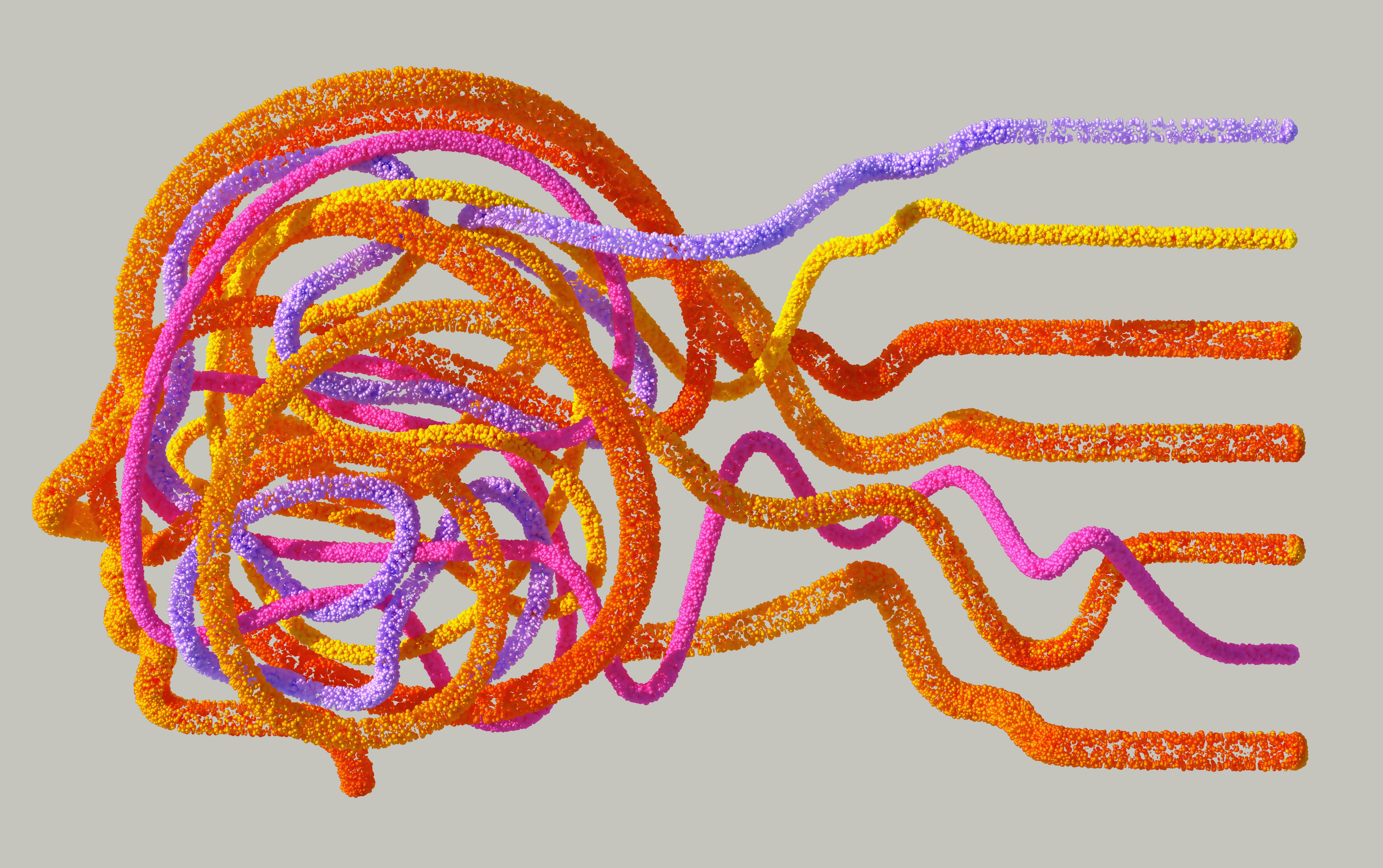
Epilepsy affects millions worldwide, yet misconceptions persist. This National Epilepsy Week, we explore what epilepsy really is, how seizures present, and why informed understanding matters more than ever.
National Epilepsy Week is more than a symbolic observance. It is a reminder that behind the statistics are individuals navigating daily life with a neurological condition that is often misunderstood. Awareness has grown in recent years, yet misconceptions and stigma still surround epilepsy. Moving beyond awareness means replacing fear with knowledge, replacing myths with facts, and replacing silence with informed conversation.
Epilepsy is a chronic neurological condition characterised by recurrent, unprovoked seizures. These seizures occur when there is a sudden disruption in the brain’s electrical activity, temporarily affecting how a person moves, feels, thinks, or experiences awareness.
Epilepsy can affect people of any age. Some individuals are diagnosed in childhood, while others develop the condition later in life due to genetic factors, head injuries, infections, or other neurological conditions. In many cases, the exact cause is unknown. It is important to understand that epilepsy is not contagious and it is not a mental illness. It is a medical condition affecting the brain.
One of the most common misconceptions about epilepsy is that all seizures involve dramatic convulsions. In reality, seizures vary widely in appearance and intensity.
Between seizures, many people living with epilepsy appear completely healthy. This can make the condition feel invisible and, at times, misunderstood.
Despite medical progress, stigma remains one of the biggest challenges for individuals living with epilepsy. Common myths include the belief that people with epilepsy cannot work, study, or live independently. In truth, with appropriate medical care and support, many individuals manage their condition effectively and lead full, productive lives.
Another harmful misconception is that something should be placed in a person’s mouth during a seizure. This is unsafe and can cause injury. Instead, seizure first aid focuses on keeping the person safe from harm, protecting their head, and gently turning them onto their side once the seizure subsides, if possible. Understanding basic seizure response can replace panic with preparedness.
While epilepsy does not have a universal cure, it can often be managed successfully.
With consistent treatment and medical supervision, many individuals achieve significant seizure control and improved quality of life. National Epilepsy Week invites us to look deeper. Understanding means listening to the lived experiences of those affected and creating inclusive schools, workplaces, and communities. It means challenging stigma when we encounter it and recognising that a neurological condition does not define a person’s potential.
Health is not only about diagnosis and treatment. It is also about dignity, safety, and compassion. Awareness opens the door. Understanding builds the bridge. And it is through understanding that real support begins.
Source: SA Health News