Breaking
Latest health news from South Africa and around the world•Wellness, nutrition, and fitness updates daily•Medical breakthroughs and healthcare updates•Science-backed health explainers and guides•Health tech, reviews, and upcoming events•
 Health Team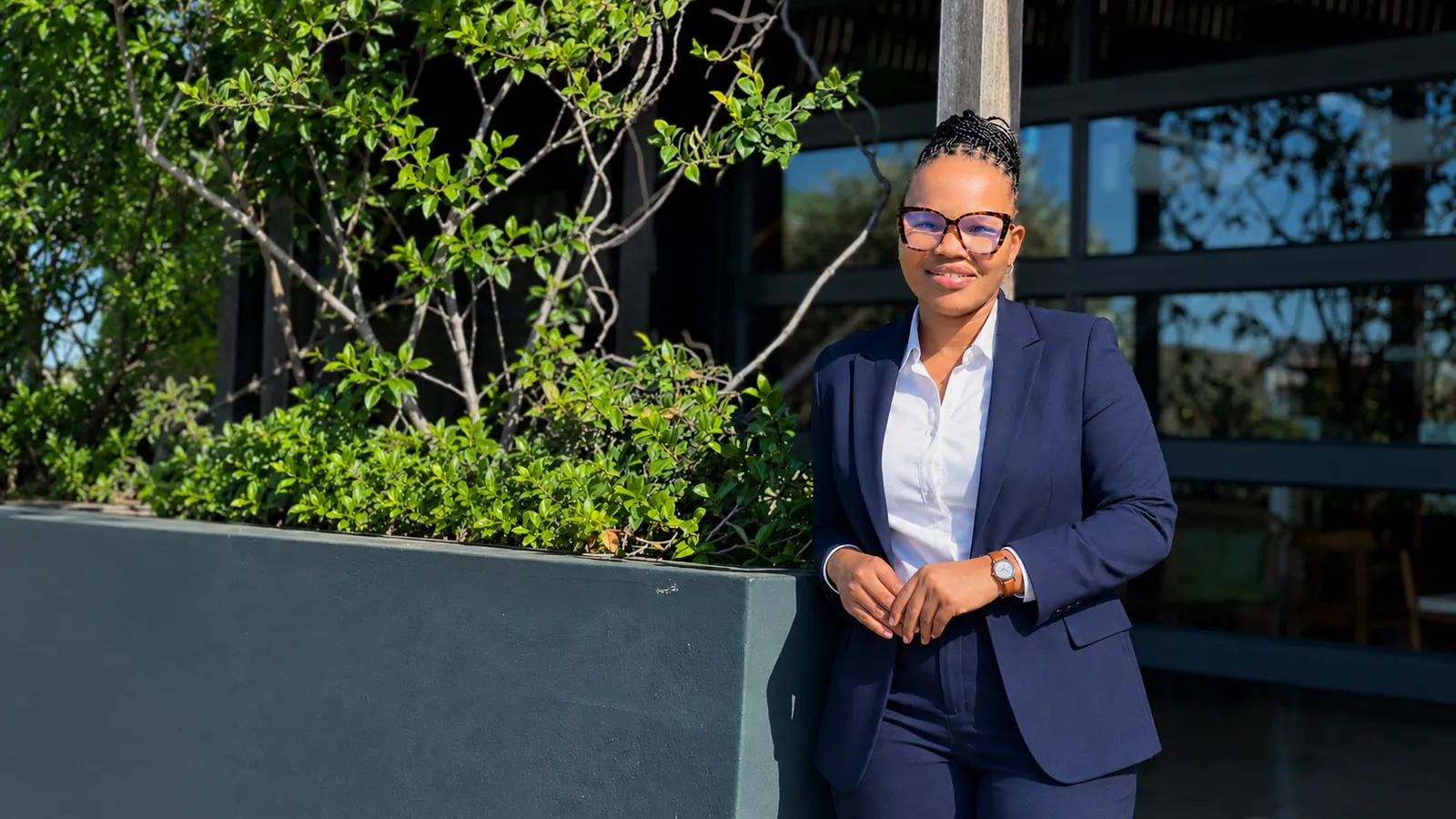
Inspired by the remedies she watched her grandmother prepare in rural KwaZulu-Natal, researcher Nokukhanya Thembane is helping bridge indigenous knowledge and modern science to unlock the potential of South Africa's medicinal plants.
Long before laboratories, clinical trials and scientific journals, healthcare in many African communities began at home.
In villages across South Africa, generations relied on knowledge passed down through families. Knowledge of which roots eased pain, which leaves soothed a cough, and which plants helped heal wounds. While much of this wisdom has survived through oral tradition, researchers are now asking an important question: what happens when indigenous knowledge meets modern science?
For herbal medicine researcher Nokukhanya Thembane, the answer lies in bridging two worlds that have long existed side by side.
Her interest in traditional medicine began not in a lecture hall or research facility, but in her grandmother's yard in Kranskop, Northern KwaZulu-Natal.
She remembers watching her grandmother prepare herbal remedies for family members and neighbours who could not always access healthcare services. When someone had the flu, there was a plant for that. When someone suffered an injury, there was another remedy believed to support healing.
Years later, while studying Biomedical Technology, Thembane found herself grappling with a contradiction.
"In class, we learned about pathology, pharmacology and plant-derived medicines, but nobody spoke about the medicinal plants many of us grew up using at home," she explains. The experience sparked a curiosity that would ultimately shape her career.
Today, South Africa is home to more than 3,000 plant species used in traditional medicine, yet only a fraction have been scientifically studied. According to researchers, this represents one of the country's most underexplored opportunities in healthcare innovation.
The World Health Organisation estimates that around 80% of people in low- and middle-income countries rely on traditional medicine for some of their healthcare needs. Despite this widespread use, traditional medicine often remains excluded from mainstream healthcare conversations. This disconnect is precisely what researchers hope to change.
Through laboratory testing, scientists are investigating the chemical compounds found in medicinal plants, assessing their safety and exploring whether they can contribute to the development of future treatments.
Thembane believes this work is not about proving indigenous knowledge right or wrong. Rather, it is about building evidence to support safer use, greater understanding, and meaningful integration into healthcare systems.
"Traditional knowledge has kept communities healthy for generations," she says. "Scientific research helps us understand how these remedies work, identify potential risks and ensure they can be used safely."
The need for scientific investigation is becoming increasingly important as more South Africans turn to herbal remedies alongside conventional medicine. One of the biggest misconceptions, researchers warn, is that natural products are automatically safe.
Just like pharmaceutical medicines, plants contain powerful compounds that can produce both beneficial and harmful effects. Incorrect dosages, contamination and interactions with prescription medicines can pose serious health risks.
Recent studies have highlighted concerns ranging from toxic plant misidentification to heavy metal contamination in some traditional health products. At the same time, dismissing traditional medicine as superstition ignores centuries of accumulated knowledge.
Many of today's pharmaceutical drugs originated from plants. Aspirin traces its roots to willow bark, while quinine, once widely used to treat malaria, was derived from the bark of the cinchona tree.
"The reality is that many modern medicines began with observations made by communities long before scientists entered the picture," says Thembane.
The challenge now is to create a healthcare system where traditional knowledge holders, researchers, and healthcare professionals work together rather than in isolation. For many experts, this means moving beyond the outdated notion that patients must choose between traditional and conventional medicine. In reality, many South Africans already use both.
A patient may visit a clinic for treatment while also drinking ginger, garlic or herbal remedies passed down through generations. Rather than ignoring this reality, researchers argue that healthcare systems should acknowledge it and develop evidence-based guidelines that support safe and informed use. This vision extends beyond healthcare.
Researchers believe the country's rich biodiversity could also unlock economic opportunities through local manufacturing, innovation and the development of African herbal products. "The next breakthrough treatment for diabetes, infectious diseases or even cancer could be found in a plant that has been growing in our communities for centuries," says Thembane.
However, realising this potential will require greater investment in research, stronger policy support and closer collaboration between scientists, traditional healers and government institutions.
As South Africa celebrates Youth Month, researchers like Thembane represent a new generation of scientists challenging conventional thinking while drawing inspiration from the wisdom of those who came before them. Their work is helping to ensure that indigenous knowledge is not lost, but preserved, studied and strengthened for future generations. Because sometimes the future of healthcare is not only found in cutting-edge laboratories. Sometimes it begins with the lessons learned in a grandmother's garden.
Source: SA Health News