Breaking
Latest health news from South Africa and around the world•Wellness, nutrition, and fitness updates daily•Medical breakthroughs and healthcare updates•Science-backed health explainers and guides•Health tech, reviews, and upcoming events•
 Health Team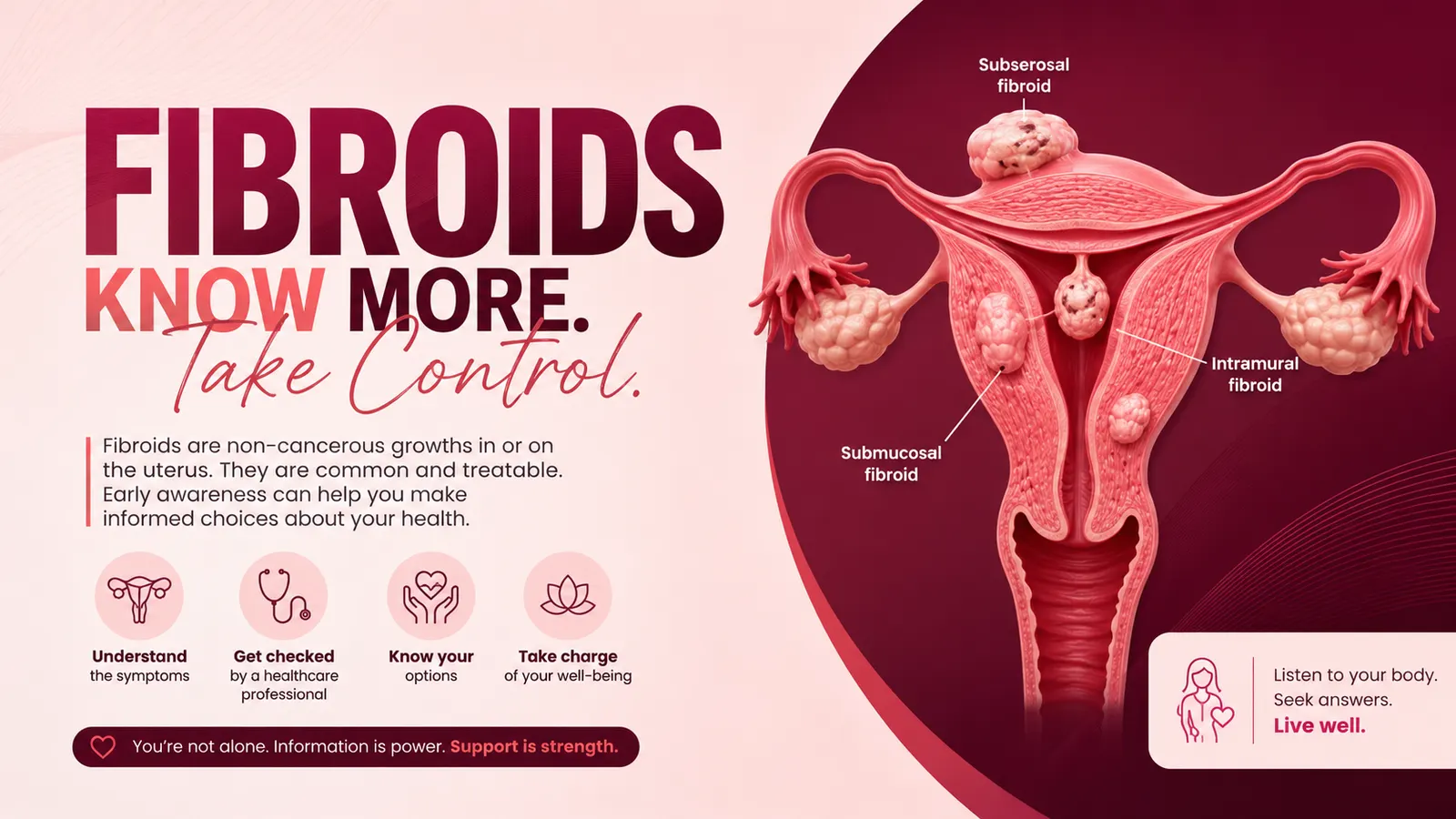
Heavy periods, severe cramps, persistent bloating and pelvic pain are often dismissed as "normal", but they could be signs of uterine fibroids. Affecting millions of women worldwide, fibroids are one of the most common non-cancerous conditions of the uterus. Understanding the symptoms, risk factors and treatment options can help women seek care early and take control of their reproductive health.
Heavy periods. Debilitating cramps. Persistent bloating. Pelvic pain that won't go away. For many women, these symptoms are brushed off as "just part of being a woman". But they shouldn't be.
They could be signs of uterine fibroids – one of the most common gynaecological conditions affecting women of reproductive age. Although fibroids are non-cancerous, they can significantly affect a woman's health, fertility, quality of life and emotional wellbeing. Despite affecting millions of women worldwide, fibroids often go undiagnosed for years because many women assume their symptoms are normal or feel reluctant to speak about them.
Fibroids, also known as uterine leiomyomas or myomas, are non-cancerous growths that develop in or on the uterus. They can range in size from tiny growths that are barely detectable to large masses that can enlarge or distort the uterus. Some women develop a single fibroid, while others may have several. Many experience no symptoms at all and only discover they have fibroids during a routine medical examination. Others, however, may experience symptoms severe enough to interfere with work, family life and everyday activities.
Although fibroids are most commonly diagnosed between the ages of 30 and 50, they can develop much earlier. Women in their 20s and sometimes even younger can also develop fibroids. Women of African ancestry are disproportionately affected. Research shows they are more likely to develop fibroids at a younger age, experience larger fibroids and have more severe symptoms than women from other population groups.
Other factors that may increase the risk include: • A family history of fibroids • Starting menstruation at an early age • Being overweight or living with obesity • High blood pressure • Hormonal and genetic factors
Having one or more of these risk factors does not necessarily mean you will develop fibroids, but it may increase your likelihood.
Recognising the signs The symptoms of fibroids vary depending on their size, number and location. Common symptoms include: • Heavy or prolonged menstrual bleeding • Severe menstrual cramps • Pelvic pain or pressure • A feeling of fullness or bloating in the lower abdomen • Frequent urination • Constipation • Lower back pain • Pain during sexual intercourse • Difficulty falling pregnant or recurrent pregnancy loss in some women
Heavy menstrual bleeding can also lead to iron-deficiency anaemia, leaving women feeling tired, weak, dizzy or short of breath. How are fibroids diagnosed?
If fibroids are suspected, a healthcare professional will usually begin by taking a medical history and performing a pelvic examination. An ultrasound is the most common test used to confirm the diagnosis. In some cases, additional investigations such as an MRI scan or hysteroscopy may be recommended to determine the size, number and location of the fibroids and help guide treatment decisions. Treatment options
Not all fibroids require treatment. Small fibroids that do not cause symptoms can often be monitored through regular medical check-ups. For women experiencing symptoms, treatment will depend on factors such as the size and location of the fibroids, the severity of symptoms, age and whether future pregnancy is planned.
Treatment options may include: • Medication to relieve pain or reduce heavy menstrual bleeding • Hormonal therapies that temporarily shrink fibroids or improve symptoms • Minimally invasive procedures that reduce blood flow to the fibroids, causing them to shrink • Myomectomy, a surgical procedure that removes fibroids while preserving the uterus • Hysterectomy, which removes the uterus and may be recommended when symptoms are severe and other treatments are unsuitable
A healthcare professional can help determine the most appropriate treatment for each individual's circumstances. When should you seek medical advice? Many women delay seeking medical care because they believe painful or heavy periods are something they simply have to live with.
You should consult a healthcare professional if you experience: • Menstrual bleeding that is unusually heavy or lasts longer than normal • Severe pelvic pain or persistent pelvic pressure • Bleeding between periods • Ongoing bloating or abdominal swelling • Difficulty falling pregnant • Symptoms of anaemia, including persistent fatigue, dizziness or shortness of breath
Early diagnosis can help prevent complications, improve quality of life and provide access to a wider range of treatment options. Breaking the silence.
Fibroids are incredibly common, yet too many women continue to suffer in silence. Painful periods, excessive bleeding and ongoing pelvic discomfort should never be dismissed as "normal". By recognising the warning signs, seeking medical advice early and encouraging open conversations about women's health, more women can receive the diagnosis, treatment and support they need.
Every woman deserves to have her symptoms taken seriously. The earlier fibroids are identified, the sooner women can make informed decisions about their health and wellbeing.
Source: SA Health News