Breaking
Latest health news from South Africa and around the world•Wellness, nutrition, and fitness updates daily•Medical breakthroughs and healthcare updates•Science-backed health explainers and guides•Health tech, reviews, and upcoming events•
 SA Health News Desk
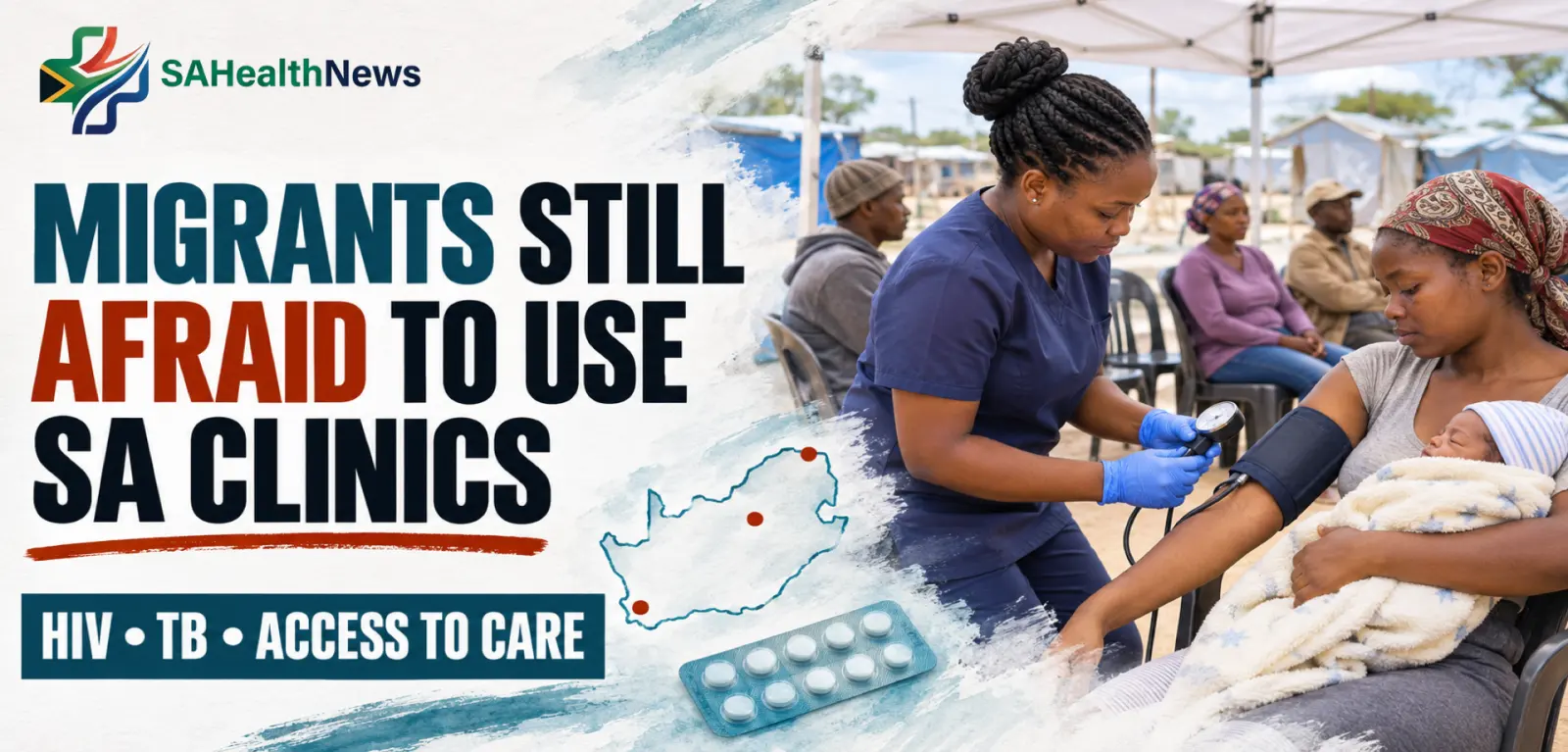
MSF says many migrants have gone months without HIV, TB and chronic care as fear keeps them away from public clinics, even where blockades have eased.
Migrants in South Africa are still staying away from public clinics months after anti-immigrant groups began blocking them at the gates. Many have gone without treatment for HIV, tuberculosis and other chronic conditions for most of a year, Médecins Sans Frontières said on Wednesday, 18 November.
At a media briefing, the medical group said fewer facilities are now being blockaded, but the fear has not lifted. Claire Waterhouse, MSF's advocacy director for Southern Africa, told the briefing that many migrants at displacement sites reported not accessing healthcare for many months. In some cases, she said, the gap had lasted up to a year.
That is the difference between a blockade and what follows it. A gate can be cleared and the queue can look ordinary again. People who were turned away once, or who watched others being turned away, do not automatically come back. MSF's account is that the absence is now measured in months of missed medicine, not in a single afternoon at a clinic door.
MSF said it visited 15 health facilities in August 2025 after receiving reports that patients were being refused care. Its teams saw patients turned away at more than half of those facilities. In some cases, health workers and security guards were among the people stopping patients from getting in.
The people turned away included pregnant women, mothers with newborn babies, and people living with HIV and diabetes.
Since then, MSF teams have been running health points at displacement sites in Cape Town, Johannesburg and Musina, near the Zimbabwe border, and at Beitbridge and Nyamapanda in Zimbabwe for people who have left South Africa. The teams are seeing hundreds of patients a week. The conditions they are treating include respiratory infections, stomach illnesses, high blood pressure, diabetes, HIV, tuberculosis, and injuries picked up on the road or in attacks. Staff also met three mothers who had given birth by caesarean section only three or four days earlier.
A health point at a displacement site is not a substitute for the clinic those patients were already using. It is what MSF could put in place after people stopped going through the front door. The organisation has not published a count of how many of the 15 facilities are still turning people away, only that fewer are now blockaded and that fear is doing the rest.
The clinical worry is a break in treatment. MSF said many patients on HIV or tuberculosis medicine had stopped taking it, or were close to stopping. A break in either treatment raises the risk of drug resistance, and a resistant strain does not stay with the person who missed the doses. It can spread to other people, including people who have never been near a blockade.
Candice Sehoma, MSF's senior advocacy manager for Southern Africa, said everyone who lives in South Africa is entitled to healthcare, and that legal protections were not being honoured in practice. She warned that shutting migrants out of care could also harm South Africans, because diseases do not respect nationality.
Foreign nationals are allowed by law to receive treatment at public facilities. Groups opposed to undocumented migrants set a 30 June deadline for foreigners to leave the country, and blockades of clinics began in 2025. Tens of thousands of people have since gone home to countries including Malawi, Nigeria and Ghana, some after violent attacks.
Leaving does not finish the medical problem. A person who stops HIV or tuberculosis treatment in Johannesburg and crosses a border a week later is still a person whose treatment has stopped. MSF's ask, for those who do leave, is that they go with enough medicine to keep the course going, and that the country they return to takes them into its own system. Neither of those has been reported as organised at a national scale.
Rights group SECTION27 is pursuing a case against the Gauteng Department of Health and the City of Johannesburg. Khanyisa Mapipa, who heads its health rights programme, said that in December 2025 the group obtained a court order compelling the respondents to put together a plan. The plan is meant to ensure patients can enter facilities. The second part of the application has not yet been heard.
A plan that has been ordered and a door that people will actually walk through are not the same thing. SECTION27 has not said, in what has been published from this briefing, whether the plan has been filed, what it contains, or whether any facility has changed its practice because of it. The part of the case that would test the plan has not been heard.
SECTION27 estimates that about 100,000 people were repatriated between July and November, roughly 90,000 of them voluntarily and about 10,000 by deportation. Those are SECTION27's figures, reported second-hand, and they are not a count of who among them was on chronic medicine.
MSF called on the government to condemn anti-migrant violence publicly and to guarantee that anyone can use public health services without discrimination. It also asked for proper humanitarian support for people who leave, and for those with chronic illnesses to go home with enough medicine to keep their treatment going. Aid groups urged neighbouring governments to bring returning citizens into their own health systems.
No response from the national Department of Health was reported at the time of the briefing. The department has not said how many facilities are still affected, how it is counting patients who have dropped out of HIV or tuberculosis care, or what it expects provincial departments to do when a security guard, rather than a clinician, is deciding who comes in.
None of this replaces advice from the clinic, a pharmacist or a doctor. Anyone who has stopped HIV, tuberculosis or other prescribed medicine, or who is pregnant and has stayed away from care, needs a clinician who can restart or change that treatment. A briefing can describe the gap. It cannot close it.
Source: SA Health News