Breaking
Latest health news from South Africa and around the world•Wellness, nutrition, and fitness updates daily•Medical breakthroughs and healthcare updates•Science-backed health explainers and guides•Health tech, reviews, and upcoming events•
 Health Team
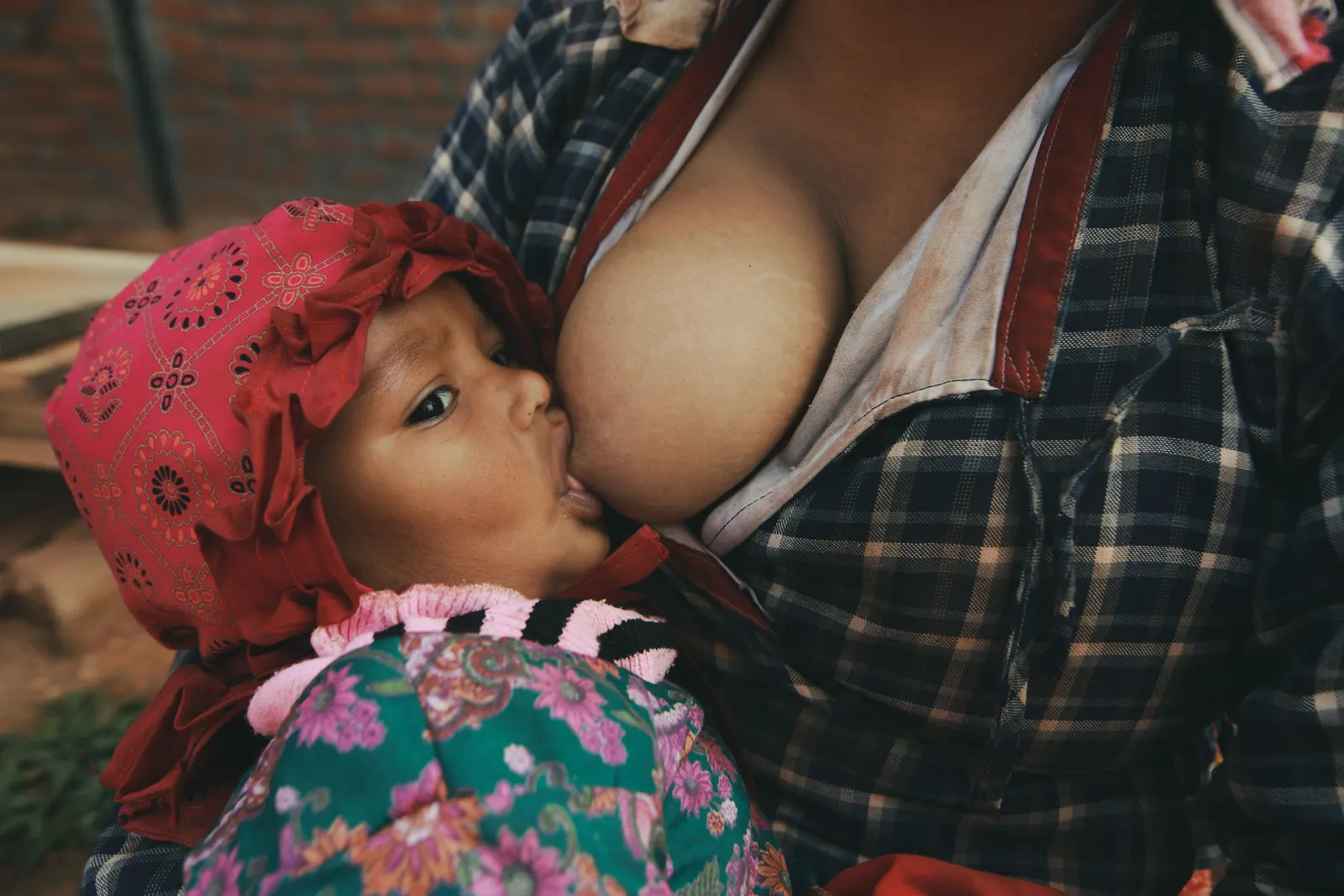
Breastfeeding is often described as natural, but for many mothers, the journey is far from effortless. From painful latching and concerns about milk supply to sleepless nights, recovery and the challenge of returning to work, breastfeeding can be physically and emotionally demanding. This World Breastfeeding Week, we explore why supporting mothers matters just as much as encouraging them to breastfeed.
From painful latching and sleepless nights to returning to work and worrying about milk supply, breastfeeding can come with challenges that many new mothers are not prepared for.
Breastfeeding is often described as one of the most natural things in the world. And biologically, it is.
But ask many mothers about their breastfeeding journeys and you may hear a very different story.
There can be painful nipples, difficulty getting a baby to latch, concerns about whether the baby is getting enough milk, endless feeding sessions, expressing milk and trying to navigate the process while recovering from childbirth and adjusting to life with a newborn. For some mothers, breastfeeding comes relatively easily. For others, it can take days, weeks or even longer to establish a rhythm. And that is why one message deserves more attention: just because breastfeeding is natural does not mean it is always easy. Every breastfeeding journey is different and there is no single breastfeeding experience.
Some babies latch quickly, while others may struggle. Some mothers produce more milk than they need, while others worry about low milk supply. Some mothers are able to breastfeed exclusively, while others combine breastfeeding with formula feeding or expressing milk. Factors such as premature birth, medical complications, recovery after delivery and a baby's individual needs can also affect the breastfeeding journey.
The pressure to get everything “right” can make the experience even more challenging.
New mothers are often surrounded by advice – from healthcare professionals, family members, friends and, increasingly, social media. While support and information can be helpful, conflicting advice can also leave mothers feeling overwhelmed.
For many, learning to trust themselves and understanding that their journey may look different from someone else's can be just as important as learning the practical aspects of breastfeeding.
The challenges are often invisible. Breastfeeding can be physically and emotionally demanding. A mother may be dealing with discomfort while also functioning on very little sleep. She may worry about whether her baby is feeding enough or whether she is producing enough milk.
Then there is the emotional side.
When breastfeeding does not go according to plan, some mothers may experience feelings of guilt, frustration or failure. This is particularly difficult in a world where breastfeeding is often presented as something that should happen naturally and effortlessly. The reality is that many mothers need help.
Sometimes that help comes from a healthcare professional or lactation consultant. Sometimes it comes from a partner taking care of everything else while a mother focuses on feeding and resting. And sometimes, it simply comes from someone saying: “You're doing your best.”
Support should not end when a mother leaves the hospital.
Supporting breastfeeding mothers should not be a responsibility that falls on mothers alone. Partners, families and friends can play an important role by helping mothers create the time and space they need to feed, rest and recover. Workplaces also have a role to play.
For mothers returning to work while still breastfeeding or expressing milk, the transition can bring an entirely new set of challenges. Having access to a private and suitable space, understanding from managers and practical support can make a meaningful difference. Creating environments where mothers feel supported rather than inconvenienced is an important part of making breastfeeding a more sustainable option for those who choose to continue.
There is no such thing as a perfect journey.
Perhaps one of the biggest changes needed in conversations around breastfeeding is more compassion.
Not every mother will breastfeed for the same amount of time. Not every baby will feed in the same way. Some mothers may combine breastfeeding and formula feeding, while others may not be able to breastfeed at all.
The health and wellbeing of both mother and baby should remain at the centre of the conversation. Mothers need access to reliable information and appropriate support, but they also need the freedom to navigate their individual circumstances without unnecessary judgement.
Breastfeeding may be natural, but support is essential. World Breastfeeding Week, observed annually from 1 to 7 August, provides an opportunity to celebrate breastfeeding while also having more honest conversations about what mothers experience. The focus should not only be on encouraging mothers to breastfeed.
It should also be on asking an equally important question:
How are we supporting them?
Because breastfeeding may begin with a mother, but she should never have to navigate the journey alone. Breastfeeding is natural. But support makes all the difference.
Source: SA Health News